
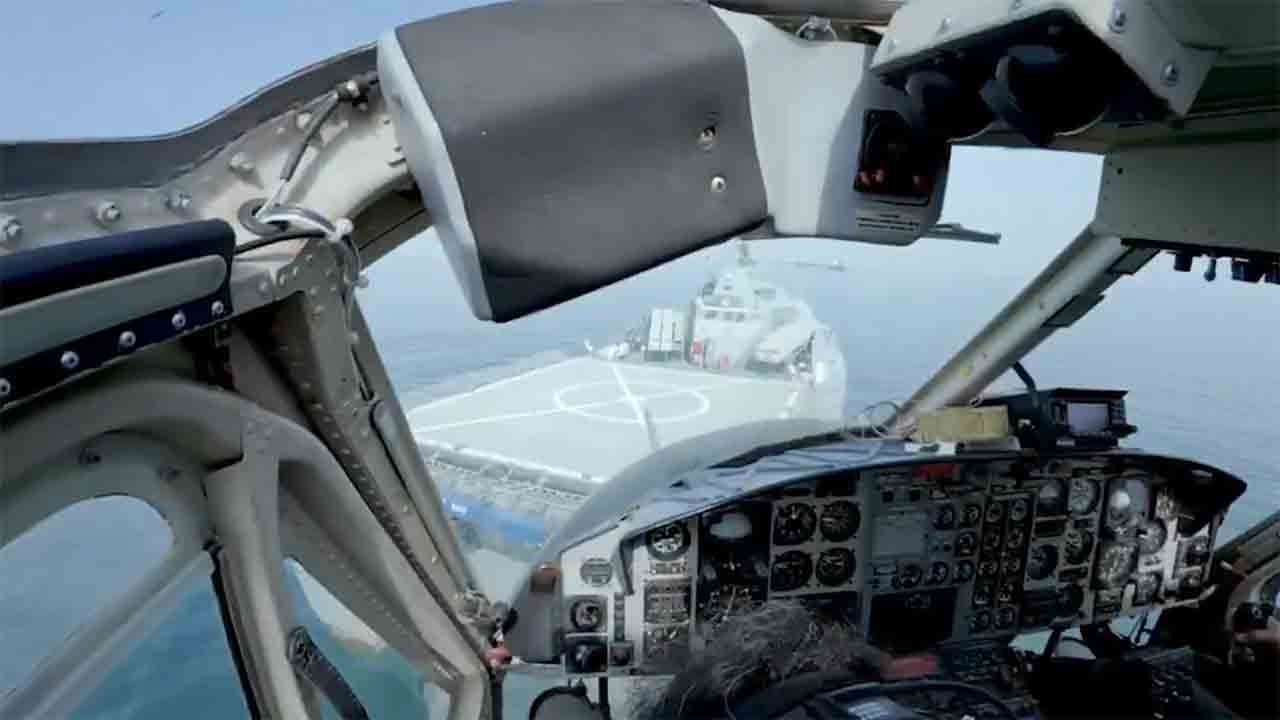
On February 17, the Navy of the Islamic Revolutionary Guard Corps (IRGC) concluded the second day of military exercises aimed at testing its operational readiness.
The maneuvers, dubbed “Smart Control of the Strait of Hormuz,” were carried out in the Persian Gulf and involved combat units and rapid-response naval forces.
+ Almost half of drivers in the United Kingdom admit feeling road rage, study shows
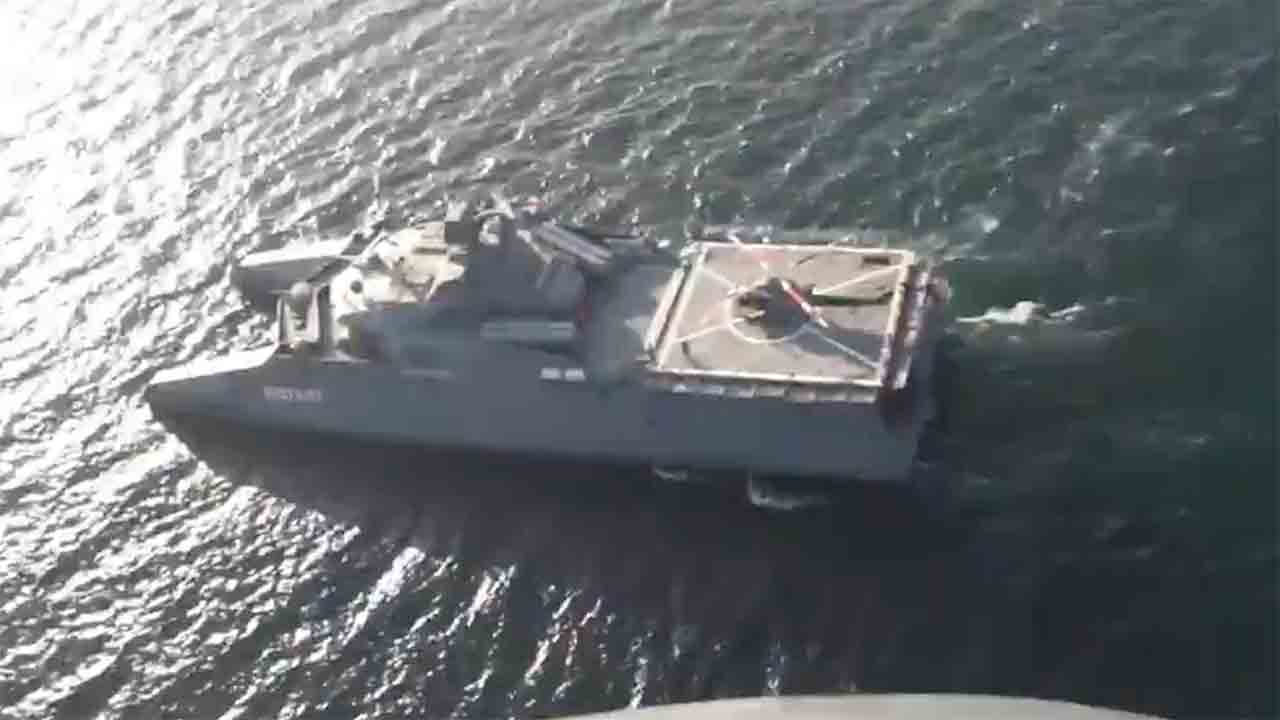
According to information released by Tehran, the drills focused on assessing the IRGC Navy’s ability to respond to potential war threats and challenges to regional security.
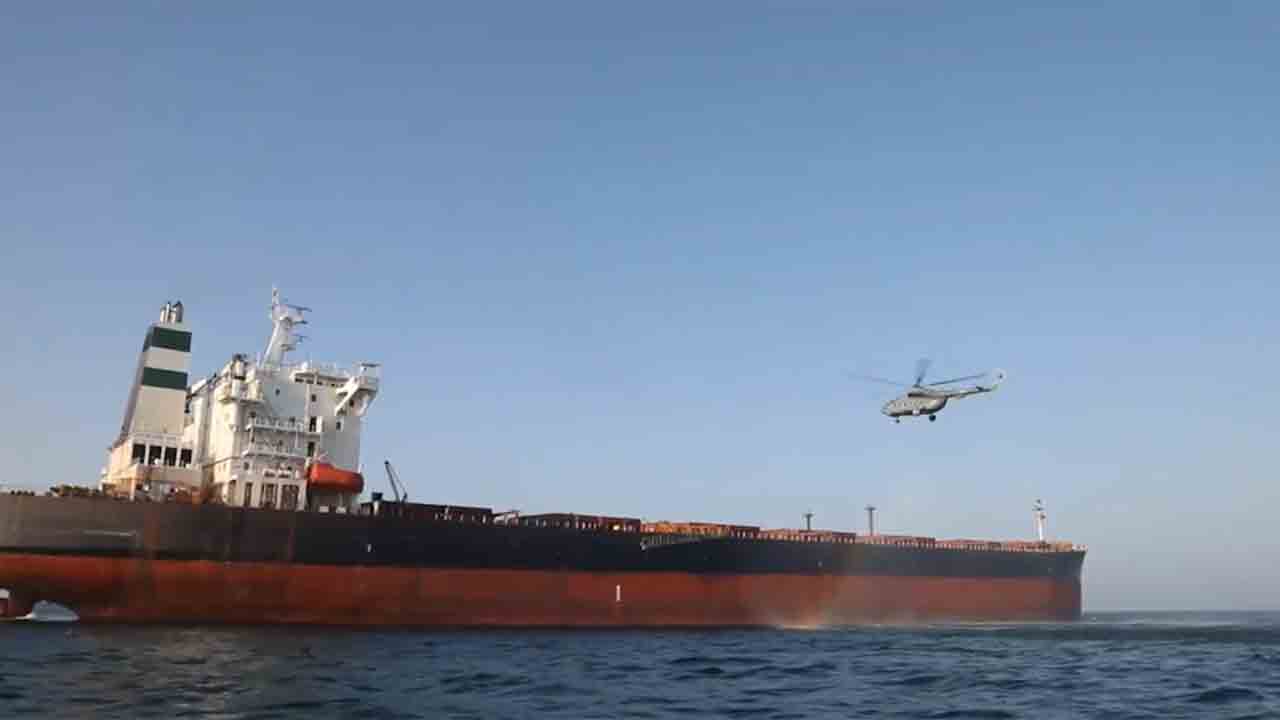
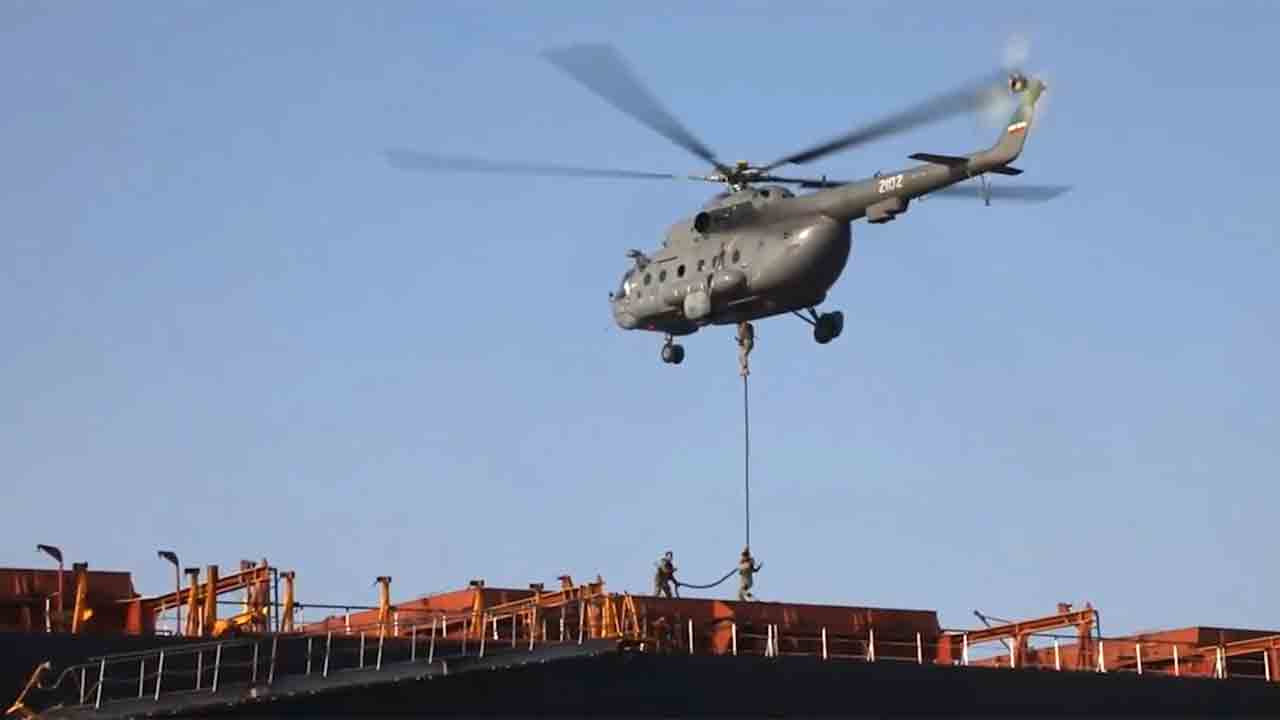
The activities also included reviewing logistical plans and simulating scenarios for reciprocal military actions, with an emphasis on coordination among different operational units.
The Strait of Hormuz, a strategic route for global oil transportation, remains one of the most sensitive flashpoints in international geopolitics. Exercises in the region are often interpreted as demonstrations of deterrence and rapid mobilization capability.
Context of tensions between the U.S. and Iran
The maneuvers come amid a renewed period of tension between Washington and Tehran. In early January, rhetoric escalated after U.S. President Donald Trump mentioned the possibility of military intervention amid internal protests in Iran. Although the demonstrations subsided, the United States maintained diplomatic pressure, directing criticism at Iran’s nuclear and missile programs.
On February 6, representatives from both countries took part in the first day of indirect contacts on the nuclear issue, held in Muscat, the capital of Oman. Following the meeting, Trump stated that “Iran seems very interested in reaching a deal.” Iranian officials described the atmosphere of the talks as “positive” and signaled willingness to keep the dialogue channel open.
A new meeting is scheduled to take place in Geneva, Switzerland, on Tuesday to continue negotiations.
At the same time, Tehran has reiterated that it is prepared to respond to any U.S. “strategic mistake” with what it described as “heavy” measures. The Iranian government also declared that a complete halt to uranium enrichment is considered “absolutely unacceptable,” maintaining a firm stance in the talks.
The situation thus combines military demonstrations on the ground with diplomatic engagement on the international stage, highlighting the complexity of the current moment in relations between the two countries.
Source and images: X @IrnaEnglish. This content was created with the assistance of AI and reviewed by the editorial team.
The second day of the “Smart Control of the Strait of Hormuz” drills
This exercise was held in the Persian Gulf to ensure security and safe maritime traffic, with the participation of the IRGC combat units and rapid response naval forces. pic.twitter.com/A2NV2GBpe6 — IRNA News Agency ☫ (@IrnaEnglish) February 17, 2026
